How to Talk About Scary Movie Scenes With Kids
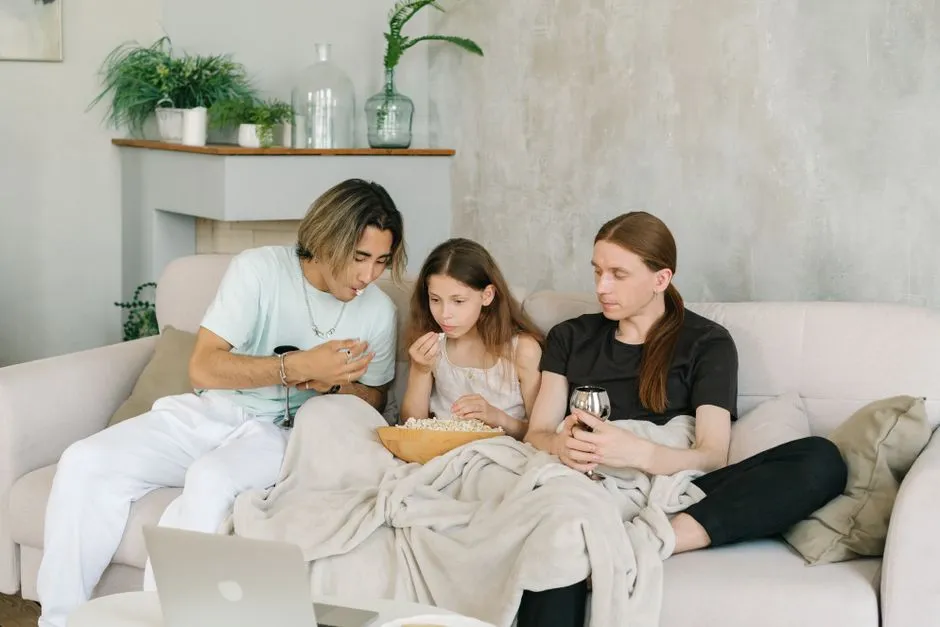
Begin by believing that the scene felt scary
When a child is frightened by a movie, “It wasn't real” may be factually correct but emotionally incomplete. The body can react to sound, faces, danger, or separation before a viewer organizes the fiction. Start with acknowledgment: “That scene felt scary. You are here with me.”
Pause or stop. Lower the volume, turn on a light, move away from the screen, or switch activities. Ask what would help instead of delivering a surprise lecture on visual effects.
Find the specific fear
Use open, small questions: “Which part bothered you?” “Was it the sound, what happened, or what might happen next?” A child may fear an image, a character's expression, a parent disappearing, or the possibility that the event could happen at home.
Do not assume the most dramatic moment caused the worry. Sometimes one quiet idea follows a viewer to bed while the giant noisy creature is dismissed as clearly having poor manners.
Explain only what the child wants
Offer a short reality anchor appropriate to the question. You might explain that artists designed the character, actors recorded voices, or sound makers built the noise. Our guides to animation production and Foley can demystify technique without mocking the response.
Avoid repeatedly showing the scene to prove it is harmless. Some children enjoy a behind-the-scenes explanation; others do not want another look. Follow their lead.
Restore control
Agree on a pause signal before future viewing. Let the child sit farther away, hold a familiar object, use captions, reduce sound, or know the broad outcome in advance. Choose a different film if needed using the age-and-readiness guide.
If continuing, summarize where the story is and preview the next tense beat in simple terms. The child can decide whether to watch, cover their eyes, leave, or stop. Control changes the experience even when the image does not.
Talk after the feeling settles
Later, ask what the scene seemed to say and what the character could do. Drawing the frightening image differently, inventing a silly sound, or telling the scene from another viewpoint can create distance. Do not force humor if the child wants seriousness.
Keep bedtime calm. Avoid introducing more clips while searching for reassurance online. Familiar routines, quiet company, and ordinary surroundings may be more helpful than additional information.
Watch for continuing distress
A single strong reaction does not automatically signal a lasting problem. Still, notice whether fear persists, disrupts sleep or daily activity, or connects to a real experience. Seek appropriate professional guidance when you are concerned. This article is general viewing guidance, not mental-health assessment.
For ordinary post-film conversation, use family movie questions that invite rather than interrogate. The aim is not to train a child never to feel afraid. It is to show that fear can be named, supported, and met with choices—including the very respectable choice of watching something else.
Prepare without planting fear
Advance information should be calm and proportionate. Describe a known concern without performing suspense in your voice. Ask whether the child wants more detail. A warning intended to help can become its own frightening trailer when adults list every possible reaction with operatic seriousness.