How to Choose a Family Movie by Age and Readiness
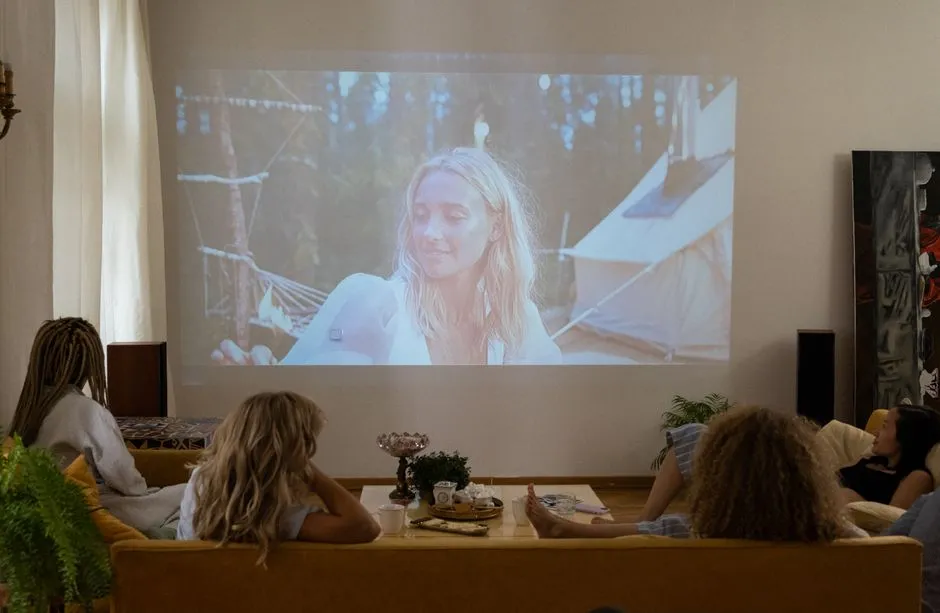
Choose a family movie for the viewers you actually have
An age rating is a useful warning flag, not a complete prediction of one child's response. Two children the same age may react differently to peril, separation, loud sound, embarrassment, cruelty, illness, or a sad ending. Start with the people on the couch, then use current content information to narrow the options.
Check content, not only the label
Read the platform description and a detailed content guide when available. Look for the kinds of moments your household cares about: sustained danger, jump scares, threatening voices, grief, bullying, family separation, realistic injury, flashing images, or intense sound. A broad category cannot tell you duration, context, or how often a concern returns.
Avoid promising that a film is “not scary.” Instead, describe what you know in plain language: “There is a storm, the characters are separated, and everyone is safe by the end.” Do not reveal more story than the viewer wants.
Consider readiness and circumstances
Ask whether the child can follow the basic story, distinguish fantasy from a current real-world worry, and tell you when they want a pause. Time of day matters. A mildly tense scene at breakfast may land differently when everyone is tired and bedtime is already filing a complaint.
Length, reading demands, sound level, motion, and visual intensity affect the experience too. Use planned movie breaks and a sensory-friendly setup when helpful.
Offer a small real choice
Preselect two or three acceptable films and let viewers choose among them. This avoids endless browsing while preserving agency. Show a trailer cautiously; trailers often concentrate the loudest and fastest material.
Agree that anyone may request a pause or stop without teasing. Stopping does not mean the child failed a maturity test. The film will survive. It has excellent storage arrangements.
Watch nearby when content is uncertain
Co-viewing allows a caregiver to notice confusion, lower volume, explain a moment, or stop. Keep explanations brief during the film so they do not become a second soundtrack. Afterward, use family movie questions to learn what the child actually noticed.
If a scene causes distress, acknowledge it rather than insisting it was fictional or harmless. Ask whether the viewer wants information, comfort, light, distance, or a different activity. Persistent or serious concerns deserve appropriate professional support.
Build a household record
After viewing, note what worked: tension level, pacing, themes, sensory features, and moments that prompted questions. Use patterns to choose future films. The goal is not to eliminate every difficult feeling; stories can provide safe ways to encounter uncertainty. The goal is a supported experience matched to the child and moment.
Current ratings and platform descriptions can change, so confirm them at viewing time. A thoughtful selection combines external information with the knowledge no label possesses: who is watching tonight.
Recheck sequels and familiar brands
A familiar title style does not guarantee identical intensity, themes, or age suitability in every installment. Treat each film as its own viewing decision and consult current details. Children also change: material that was overwhelming last year may be manageable now, while a new real-life concern can make an ordinary scene unexpectedly difficult. Readiness is a moving target, not a permanent sticker.