Family Movie Night Checklist: Less Fuss, More Film
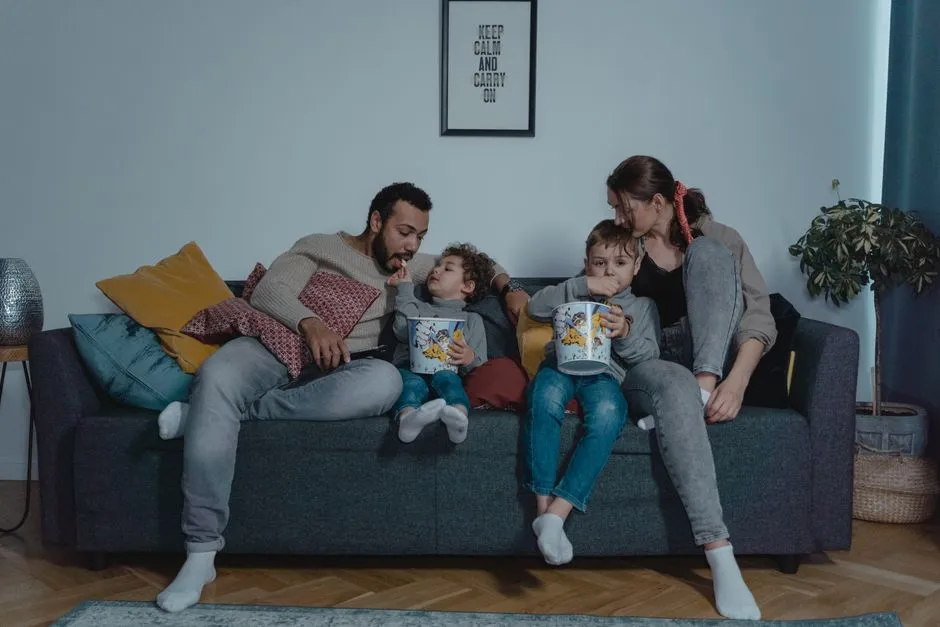
A family movie night needs fewer decisions than a film festival
The best setup removes small annoyances before opening credits. Choose a reasonable start time, confirm the film and platform, prepare the room, and agree on breaks. Nobody receives a medal for spending forty minutes browsing while the snacks complete an entire character arc.
Choose and test the film
Preselect two or three options suited to the household using our age-and-readiness guide. Confirm runtime, language, current content information, and availability. Download or test playback if the connection is unreliable.
Check audio, captions, remote batteries, and the correct account before gathering everyone. If the film requires rental or sign-in approval, handle it early. Disable autoplay when you do not want an unrelated preview arriving immediately after the ending.
Make the room comfortable
Arrange seating with clear screen views and safe paths. Adjust temperature and provide blankets or cushions. Keep a low light if full darkness is uncomfortable. Set volume for dialogue rather than spectacle; dynamic changes can still require adjustment.
Prepare a sensory-friendly movie night when viewers benefit from softer sound, captions, movement options, familiar objects, or advance previews. Accessibility is part of planning, not a special favor delivered with trumpets.
Handle food without drama
Choose snacks and drinks appropriate to the people present, allergies, dietary needs, and household rules. Place them where spills are manageable. Avoid requiring a child to sit through hunger or thirst to preserve cinematic purity.
If the film is long, plan a natural pause rather than waiting until several people leave independently. The movie-break guide shows how to pause without losing the thread.
Agree on the social rules
Decide whether talking is welcome, brief questions are okay, phones stay away, and anyone can request a pause. Mixed-age groups may need different seating, toys, or permission to step out. Participation does not require motionless silence.
Keep explanations short. If one viewer wants a detailed plot seminar and another wants to hear the film, save the seminar for afterward.
Use a compact checklist
Before pressing play, confirm:
- Film, runtime, language, and content checked
- Playback, sound, captions, and remote tested
- Seats, light, temperature, and paths comfortable
- Snacks, water, and personal needs ready
- Pause and stop rules understood
- Bedtime or ending plan still realistic
Afterward, allow quiet reactions before asking questions. Some viewers want to discuss immediately; others need time. A simple “What stuck with you?” works better than an oral examination on theme.
Movie night succeeds when people feel safe, included, and able to enjoy the story. Perfection is unnecessary. A paused film, spilled snack, or wandering child does not invalidate the evening. It merely confirms that the audience was live.
Plan the ending too
Check what happens after the film. A late finish may collide with medication, transport, homework, bedtime routines, or an early morning. Leave a few minutes for credits, reactions, cleanup, and the inevitable search for one missing cup. If the schedule is tight, choose a shorter film rather than beginning an ambitious feature with a bedtime everyone already knows is fictional.
For mixed households, decide who controls the remote and how choices rotate next time. Recording the next chooser prevents the sequel to tonight's largest argument.